Biophilic Architecture
The benefits of biophilia in architecture and interiors
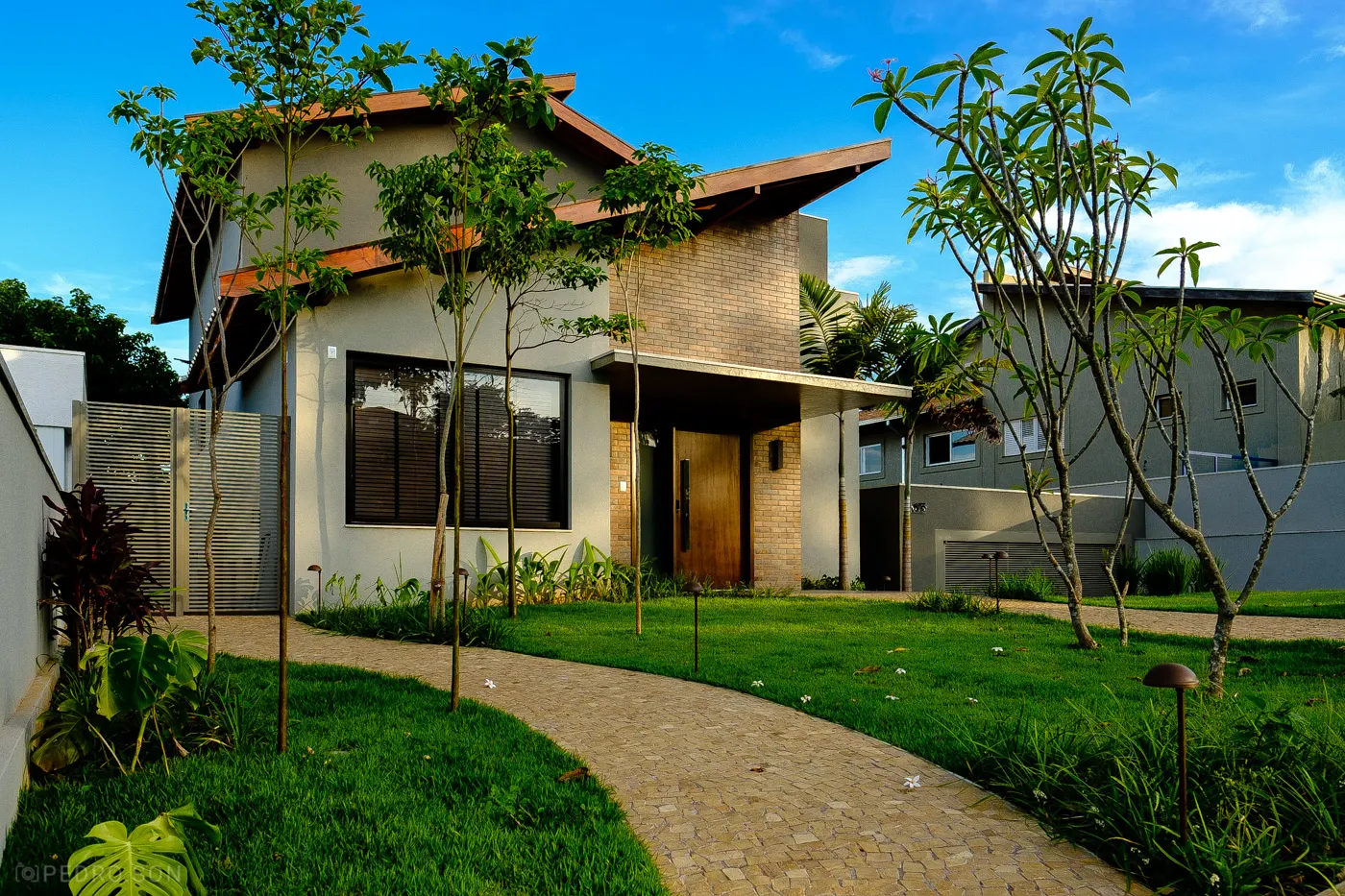
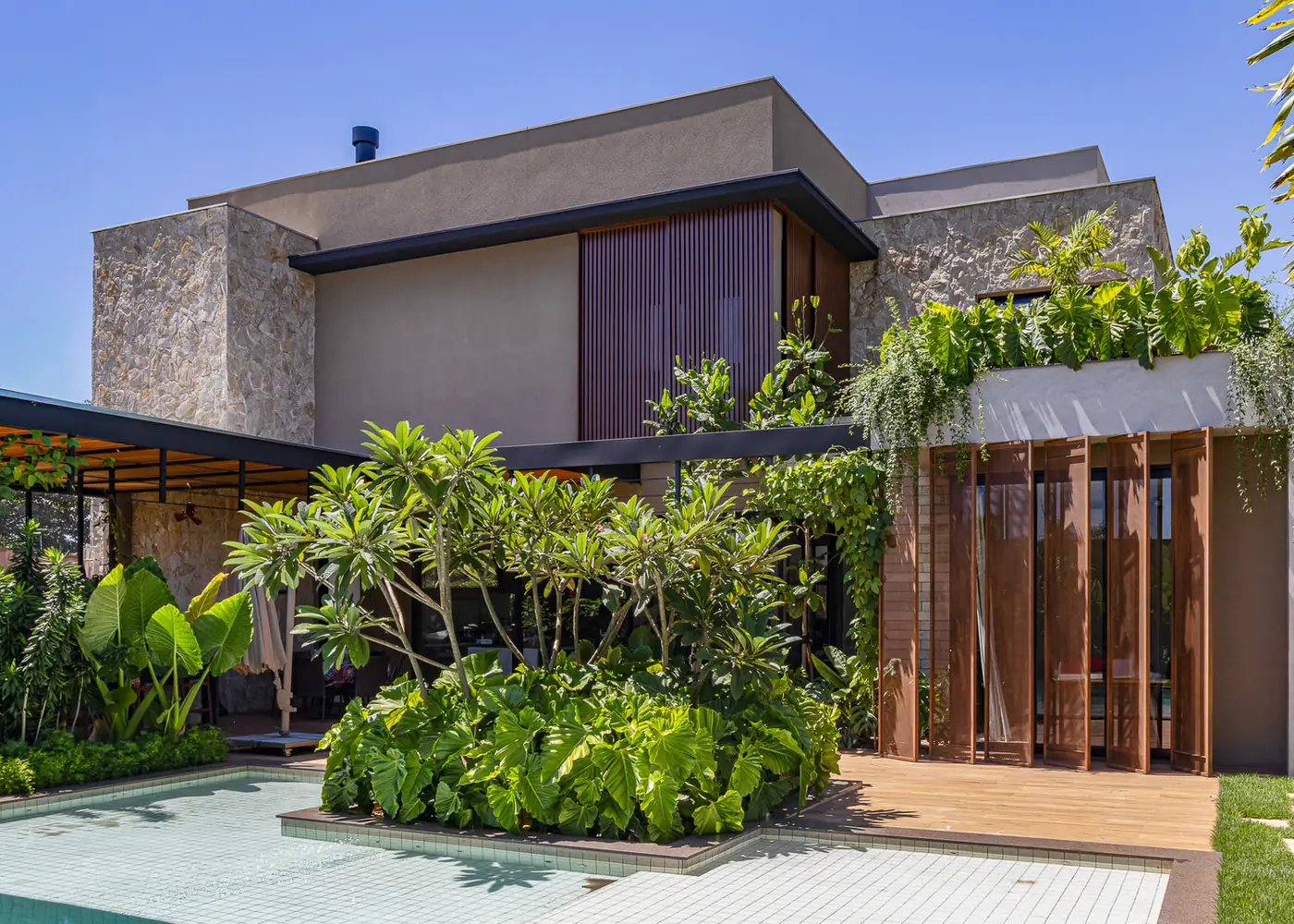
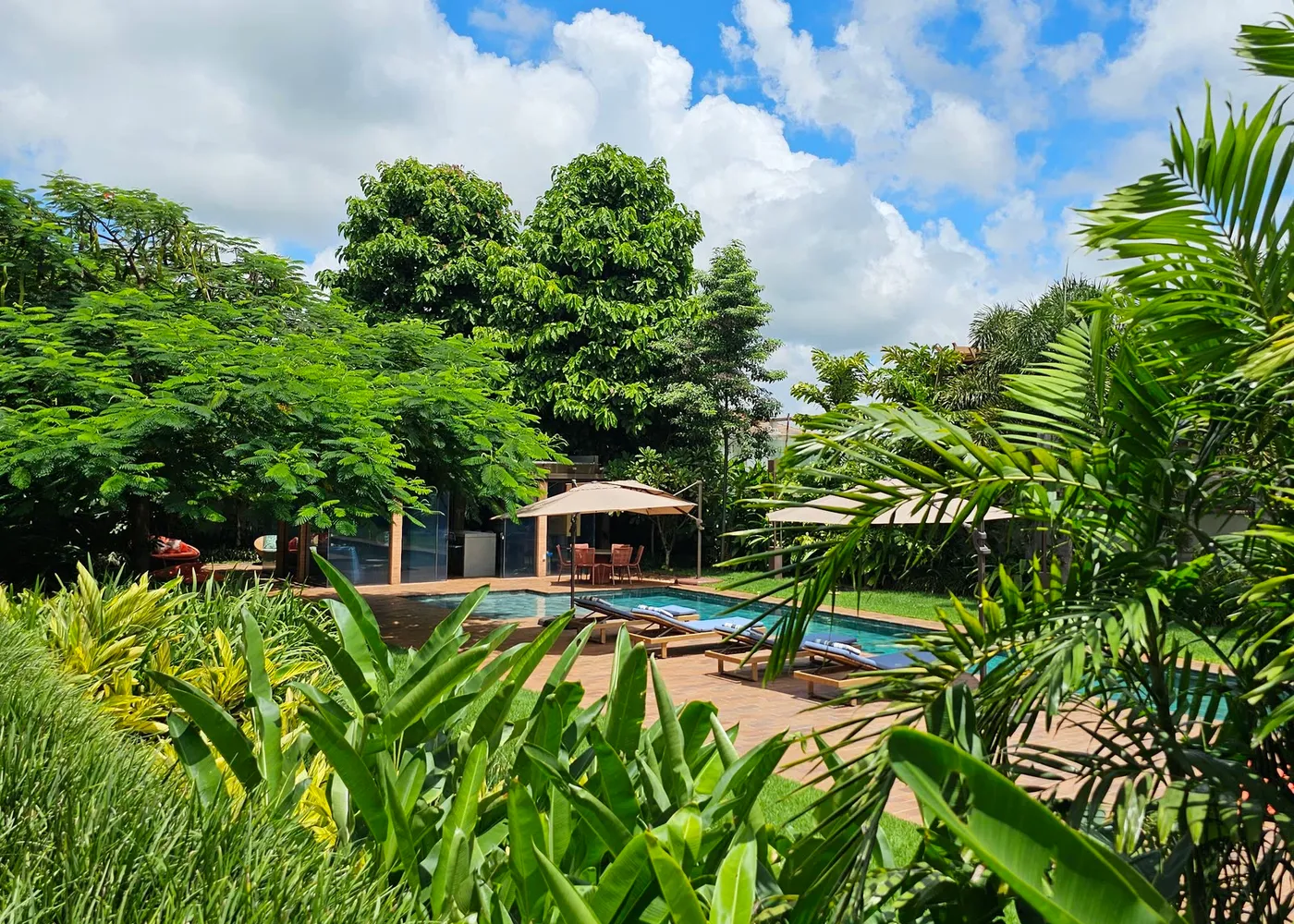
Biophilia (the love of nature and its elements) is increasingly recognised as a key factor in architectural and interior design. More than an aesthetic, this philosophy has been shown to have a positive impact on physical and mental well-being, creating spaces that foster a healthier, more productive way of life.
Why natural elements matter in a project
One of the central principles of biophilic design is to bring natural elements into the built environment: plants, water, organic materials and views of the outdoors drawn inside. Exposure to these elements helps reduce stress, lift mood and raise overall well-being.
A study at the University of Exeter found that adding plants to the workplace can increase productivity by up to 15%. Combined with water features and natural light, these elements create a calmer, more welcoming atmosphere.
Benefits for health and well-being
The impact is physical, too. Natural elements such as plants, water and light improve air quality, increase exposure to beneficial bacteria and help strengthen the immune system.
Research at the University of Surrey showed that exposure to natural light helps regulate the circadian rhythm and the quality of sleep. And green spaces in urban settings are associated with a lower risk of heart and respiratory disease.
The impact on the built environment
The benefits don't stop with the people who occupy the space. Biophilic design reduces the urban heat-island effect, improves energy efficiency and points towards a more sustainable future.
Green roofs and walls help lower energy costs by improving insulation and regulating temperature. Bringing greenery into the city also improves air quality and eases health problems linked to pollution.
The future of design begins in the green
As our understanding of these benefits grows, biophilia stops being a trend and becomes a method, in homes and in developments alike. That is precisely where our work begins: architecture is not born apart from the garden; it is born in conversation with it.
Would you like a project conceived this way, from the design concept to the landscaping?
Chat on WhatsApp →