Landscape design
Spring and the first rains: the best time to plant in Ribeirão Preto
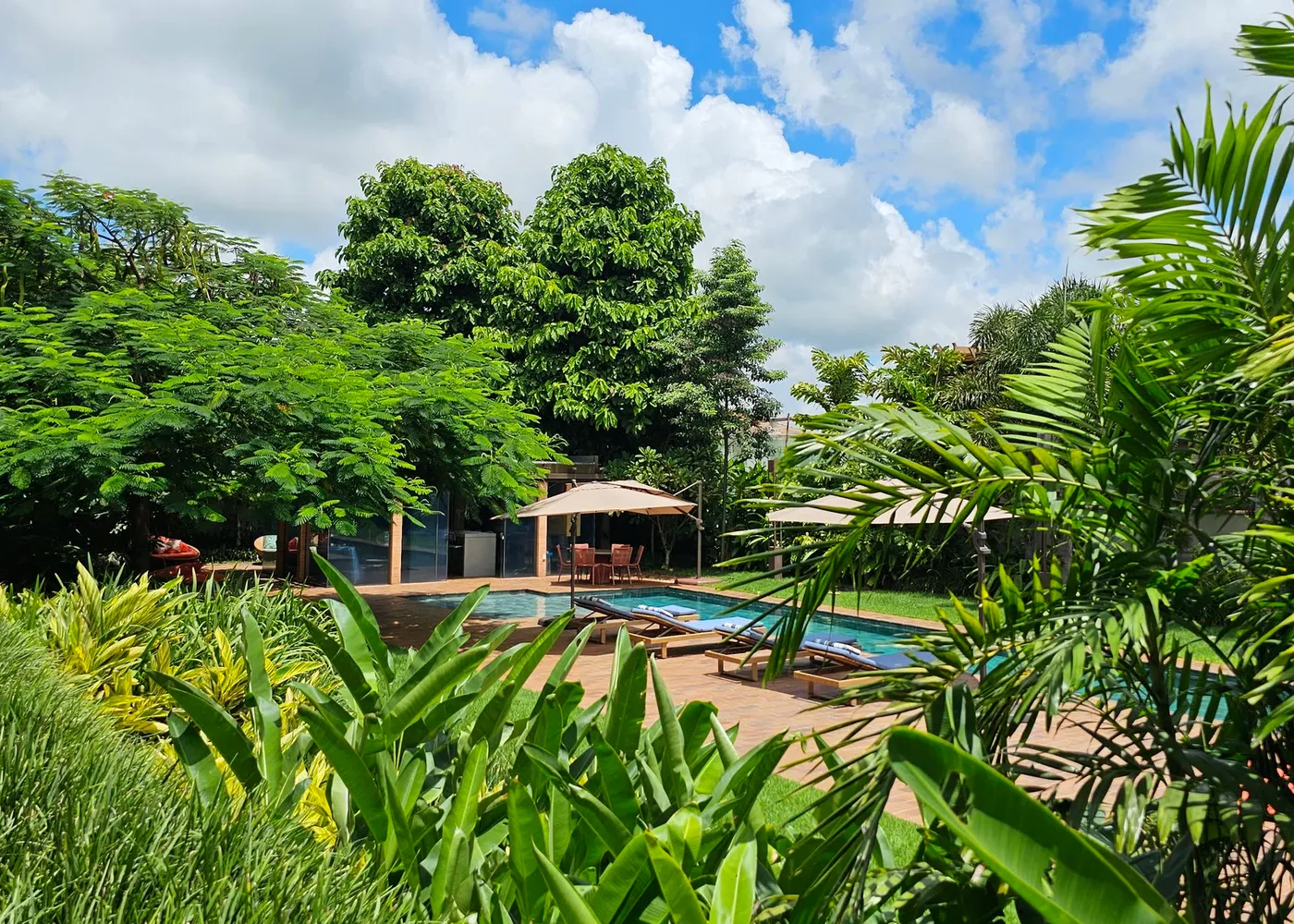
If there is a right moment to plant in Ribeirão Preto, it is now. Spring began on September 22 and with it comes the end of the dry season: the region's rain is concentrated between October and March, and the start of that season is the window we have used for more than two decades to install gardens. A plant that goes into the ground between October and December has the whole summer to take root and reaches the next dry season ready to carry through it.
Why plant with the first rains
A newly planted seedling does not yet have the roots to reach water deep in the soil. In the dry season it depends entirely on irrigation and suffers in the heat. With the rains the picture reverses: the soil stays moist for longer, ground temperature evens out and roots grow fast. These are months of growth that no irrigation system can replace. The result is a garden that takes better, needs less maintenance in its first year and reaches May already established.
What to plant first: the structure of the garden
Trees benefit most from the season because they take the longest to settle. So at the start of the rains we prioritise structure: the canopies that will give shade, such as sibipirunas, ipê trees, quaresmeiras and jabuticabeiras, then the mid-sized layer and the ground cover, such as heliconias, alpinias, philodendrons and perennial peanut. It is the same layered planting we describe in gardens built for heat: the canopy protects what lives beneath it and the whole garden becomes more drought-resistant.
Frangipani, sibipiruna and olive: our favourites
Three trees hold a special place in our projects, and all three are directly tied to this time of year. The frangipani (jasmim-manga) is almost always present in our gardens. It is living sculpture: it drops its leaves in the dry season, shows the architecture of its branches through the winter and, with the first rains, sprouts again and covers itself in fragrant flowers until the end of summer. It carries through the drought without suffering and marks the turn of the seasons inside the garden.
The sibipiruna, native to the Atlantic Forest, is the spring tree of inland São Paulo: its canopy fills with yellow flowers right now and then gives a light, filtered shade, perfect for the heat of Ribeirão Preto. Planted with the rains, it grows fast and within a few years is already shading the garden.
The olive tree is our choice for special projects. It comes in when a garden calls for a unique focal point: its silvery texture and sculptural trunk contrast with tropical green like no other tree. Once established it handles sun and drought very well, but it does not tolerate waterlogging. So when we plant it at the start of the rains, it always goes into very well-drained soil, with drainage designed into the project. Here it is an ornamental tree, valued for its form and colour, not for fruit.
Prepare the soil before the rain
Planting starts before the plant. The region's soils are deep and fertile, but after construction they usually need correction and organic matter, since the ground ends up compacted and mixed with rubble. Loosening, correcting and adding compost before the first rains lets water soak in instead of running off. After planting, a good layer of mulch (bark, shredded leaves or living ground cover) holds moisture and shields the roots from the strong sun on dry days.
Rain does not replace irrigation
Ribeirão Preto's rainy season has veranicos, runs of hot, dry days in the middle of the wet months. In the first weeks after planting, young plants still need extra watering during those gaps. That is why drip irrigation should be installed together with the planting, not afterwards: it covers the gaps in the rain during the first summer and holds the garden through the next dry season.
And the garden you already have?
For an existing garden, the start of the rains is the time for the yearly review: fertilising, clean-up pruning, replanting the gaps the drought opened, checking drainage before the heavy summer storms and adjusting irrigation for the new season. A garden reviewed now goes into summer vigorous and reaches winter in good shape.
Design before planting
Making the most of the season requires the design to be ready before it. Species, positions, soil, irrigation and drainage are defined on paper, and only then does the landscape work begin. The sooner the design is done, the more of the rainy season the garden enjoys. This is how we lead high-end landscape design in Ribeirão Preto and the projects we sign across Brazil, as at Ipê Amarelo, where layered planting keeps the garden alive all year round.
Frequently asked questions
When is the best time to plant in Ribeirão Preto?
At the start of the rainy season, from October to December. The region's rain is concentrated from October to March, and planting early in that period gives young plants the whole summer to take root before the dry season, which usually runs from May to September.
Can you plant during the dry season in Ribeirão Preto?
Yes, as long as there is constant, well-sized irrigation. But plants root more slowly, suffer more in the heat and first-year maintenance costs more. Whenever the construction schedule allows, we leave tree planting for the start of the rains.
What should be planted first in a garden?
The trees and the structure of the garden, because they take the longest to establish and provide shade for everything else. The mid-sized layer and ground cover come next.
Do olive trees grow in Ribeirão Preto?
Yes, as ornamental trees. Once established, the olive handles the region's heat and dry season well, as long as it is in full sun and very well-drained soil, since it does not tolerate waterlogging. Because the winter here is not cold enough, it rarely bears fruit: it is planted for its form and silvery foliage.
Do I need to irrigate the garden in the rainy season?
In the first weeks after planting, yes, especially during veranicos, the runs of dry, hot days in the middle of the rainy season. Once the garden is established, irrigation only complements the rain.
When should I start the landscape design to plant in the rainy season?
Before the season. The design defines species, soil, irrigation and drainage, and planting only begins after it. The sooner the design is ready, the more of the rainy season the garden enjoys.
Want to make the most of the rains to plant your garden? Let's talk about your project.
Chat on WhatsApp →
